UNINET® Blog
| TRANSFER NEWS
Which machine is right for your educational institution?
Best Tshirt Printer for Schools and Colleges
Is a DTF Printer right for your school or is there a better choice?

Schools print a lot of shirts. Spirit week, team uniforms, club gear, field day, staff appreciation, drama productions, and fundraising drives all create demand for garments that look sharp and survive a full school year of washing. The machine behind those shirts also has to survive long summer breaks, get operated by students and volunteers who change every semester, and handle cotton, polyester, and everything in between. That mix of demands points strongly toward white toner transfer printing, usually shortened to white toner, ahead of HTV, sublimation, and DTF.
This guide compares the four options schools most often evaluate and explains why a white toner printer, which uses dry toner rather than liquid ink, tends to be the practical winner for classrooms, clubs, and small in-house print programs.
What Schools Actually Need From a T-Shirt Printer
School print environments are not commercial shops. They run in short, unpredictable bursts rather than steady production schedules, and the people running them are often learning on the job. Any printer that lands in a school has to clear a specific set of hurdles.
Long idle periods. Winter break, testing weeks, and summer vacation can leave a printer sitting unused for weeks.
Rotating operators. Students, parent volunteers, and teachers may each run the machine only a few times a year.
Mixed garment orders. One club wants cotton tees, another wants performance polyester, and the staff order includes denim or nylon jackets.
Beyond shirts. Signs, magnets, banners, and classroom awards often need the same equipment.
Predictable budgets. Schools need costs that are easy to explain to a department head or booster club.
Maintenance is where most school print programs quietly fail. A printer that demands daily attention works fine in a commercial shop with full-time staff. In a school, it becomes a paperweight by October.
The Four Options Schools Usually Compare
HTV (Heat Transfer Vinyl)
Heat transfer vinyl is the entry point most schools try first. A design is cut from colored vinyl and pressed onto a garment with a heat press. It is simple and inexpensive to start, and there is no printer to clog. The tradeoff is labor: multi-color designs mean multiple layers cut, weeded, and aligned by hand, which gets slow on larger orders and puts the quality of the finished shirt in the hands of whoever is doing the weeding that day. Photographic images and fine gradients are effectively out of reach.
Sublimation
Sublimation produces excellent color on the right substrates and has a loyal following in schools that decorate mugs and tumblers alongside garments. The limitation is substrate compatibility: results depend heavily on the surface being receptive to the process, so a mixed order of cotton tees and untreated items can leave a teacher sorting out what will and will not work.
DTF Printing
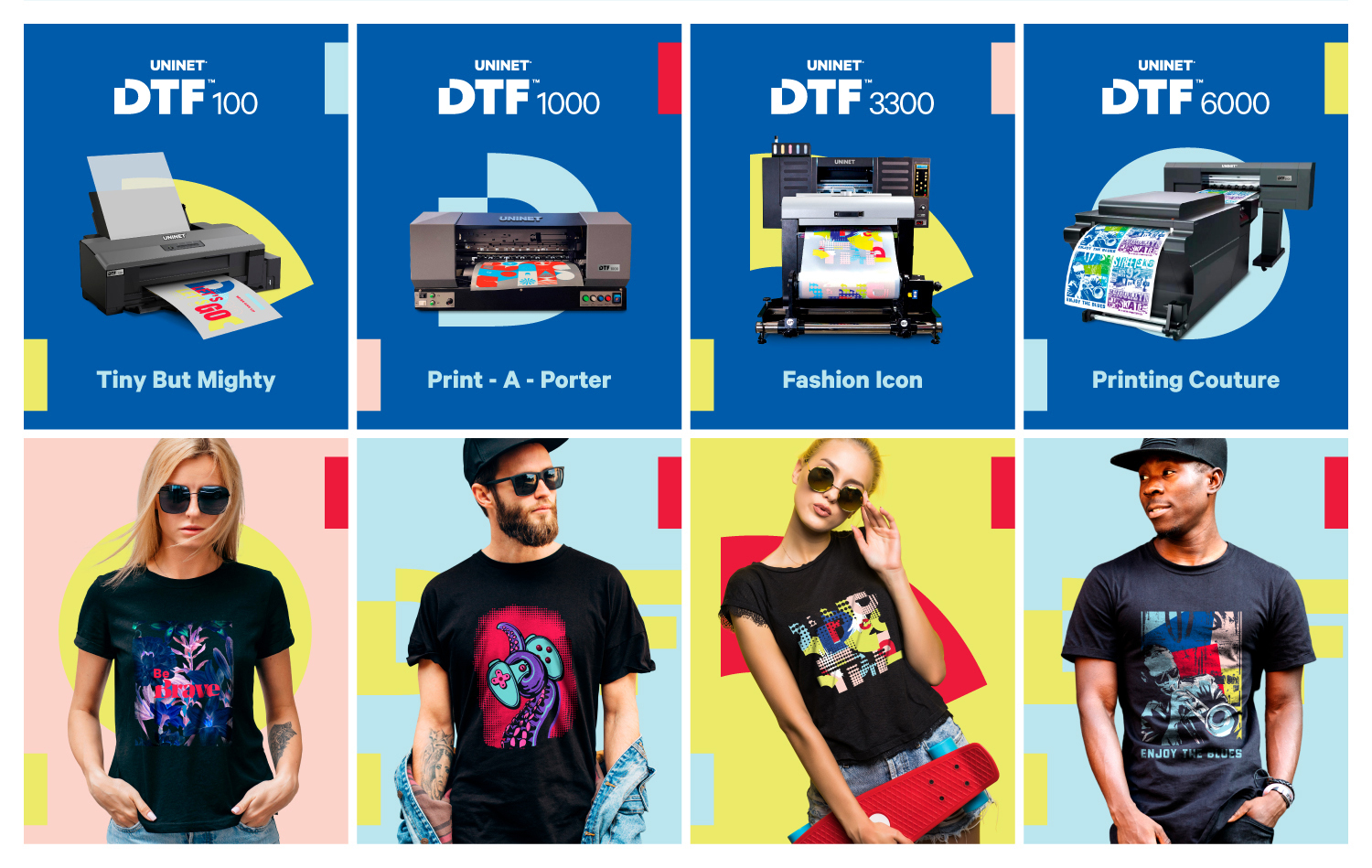
Direct-to-film printing produces vibrant, soft designs for textiles. It requires extra consumables, specifically adhesive powders and films, and it is limited to apparel. High volume DTF printing does have real advantages: a shop can print hundreds of transfers per hour, and the finished hand is very soft. For a school running large spirit wear campaigns through a single event, that speed is attractive. For a program printing twenty shirts for the robotics club and then nothing for six weeks, the consumable workflow and powder handling add steps that are hard to keep consistent. The big issue for a school is that the hardware typically goes unused for months at a time during summer break. Any Ink based equipment will need proper maintenance to stay running long term making a DTF printer unsuitable for most schools.
White Toner Printing
White toner transfer printers use dry powdered toner instead of liquid ink to produce electrostatically charged dots on a light-sensitive drum. The printed image goes onto transfer media and is applied with a heat press. Because there is no liquid ink sitting in a print head, these machines avoid the clogging problems that punish intermittent use. Sources describe them as requiring no clogs or daily use, and manufacturer material on white toner transfer printers describes decorating almost any substrate with no maintenance. That profile fits a school better than any other option on this list.
Why No Maintenance Decides It for Schools
A printer that only gets used during homecoming week and again in spring is a printer that sits. Liquid ink systems generally want regular output to stay healthy, which is exactly what a school calendar cannot promise. White toner printers use dry toner, so there is no reservoir of ink drying in a nozzle while the building is closed for the summer.
That single difference changes who can operate the machine. A teacher can pull the printer out of storage, run a batch of club shirts, and put it back without a cleaning ritual. A student aide can be trained on a straightforward press workflow rather than a maintenance checklist. Programs that would otherwise need a staff technician can run on volunteer time.
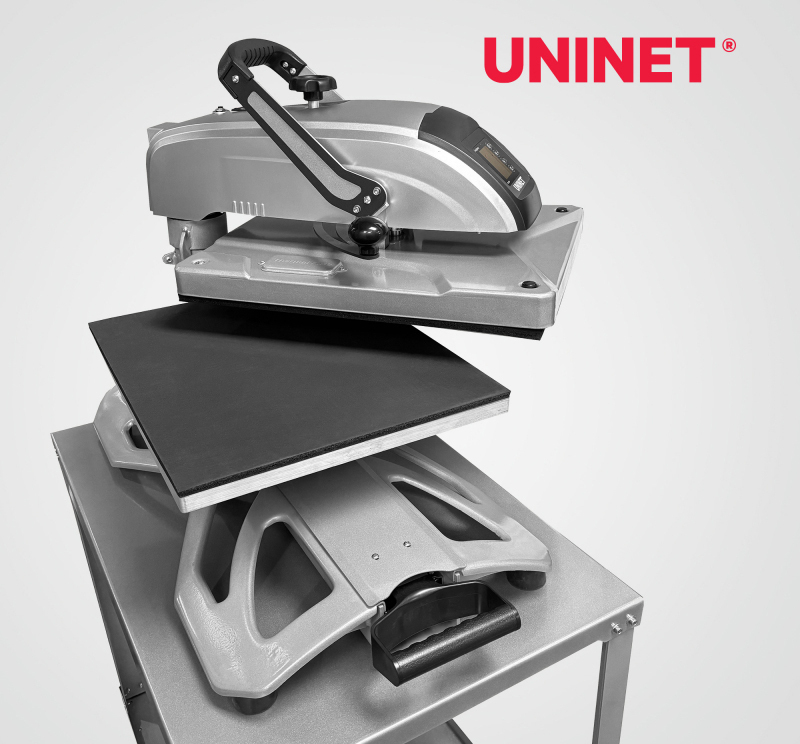
Comparison Table: HTV, Sublimation, DTF, and White Toner
Method | How it works | Materials it covers | Extra consumables |
|---|---|---|---|
HTV | Design cut from vinyl and applied with a heat press | Garments and fabrics | Vinyl rolls |
Sublimation | Heat-driven transfer of a printed design | Shirts, mugs, tumblers, bags, hard goods | Inks and transfer media |
DTF | Design printed to film, powdered, then pressed | Textiles and apparel | Adhesive powders and films |
White toner | Dry toner printed to transfer media, then pressed | Cotton, polyester, blends, denim, nylon, metal, glass, acrylic, and more | Toner cartridges and transfer media |
One row stands out. White toner transfer printers from brands like Crio can transfer to virtually any fabric or material, including cotton, polyester, blends, denim, nylon, metal, glass, and acrylic. That is a wider material range than HTV, sublimation, or DTF can offer on their own.
One Printer for Shirts, Signs, and Hard Goods
The flexibility argument is what usually sells a school on white toner. A single machine covers the entire building.
Apparel: team jerseys, club tees, staff polos, choir shirts, and class of 2026 gear in cotton, polyester, blends, denim, or nylon.
Hard surfaces: wood plaques for awards night, acrylic signs for the front office, glass and ceramic items for teacher gifts, and metal tags for equipment.
Fundraising extras: magnets for car doors, banners for the gym entrance, and temporary tattoos for carnival booths.
Classroom projects: business and marketing classes can run a real product line, art classes can print on non-fabric surfaces, and yearbook or journalism programs can produce promotional merchandise.
Instead of buying a vinyl cutter for shirts, a mug press for tumblers, and a separate system for signage, a school can invest in one white toner printer and one heat press. That consolidation matters when a budget has to be approved by a committee.

What About High Volume DTF?
DTF still wins on raw throughput for a single large run. It can print hundreds of transfers per hour with a very soft hand, which suits a shop producing thousands of transfers in a week. Schools rarely operate at that cadence. The typical school pattern is fifty shirts for one team, then a pause, then a fundraiser, then a break. For that rhythm, the extra consumables of adhesive powder and film add handling steps without delivering a benefit the school can use.
Where a school does run a big campaign, such as an all-school spirit wear drive, a white toner printer can still produce the order. It simply trades some peak speed for dramatically lower upkeep the other fifty weeks of the year.
Print Quality and Durability on School Shirts
Published specifications for white toner DTF printers list long-lasting, stretchable polyester-based prints with resolution up to 2400 x 600 dpi. In practice, that means crisp text on a club shirt, clean edges on a mascot logo, and a print that survives repeated washing and stretching, which is exactly what a school uniform or athletic jersey goes through.
White toner also solves the dark garment problem directly. Printing white onto navy, black, maroon, or forest green is core to what these machines do, so a school is not restricted to light-colored blanks. Print speed on these units is listed at 8 pages per minute, which is more than enough for the batch sizes most schools handle.
Setup Costs and Budget Planning
Published buyer's guides list white toner DTF printers starting at $2,495, with configurations at $3,995 and higher-end models reaching $6,995. Financing options have been listed as low as $84 per month and $194 per month on some models. A heat press is also required to apply transfers.
These figures come from third-party buyer's guides and manufacturer listings and change over time, so confirm current pricing, included consumables, and warranty terms directly with the seller before submitting a purchase request. Schools should also budget for a starter supply of toner and transfer media, and remember that a booster club or career and technical education fund may be able to cover part of the purchase.
Choosing the Right White Toner Printer for a School
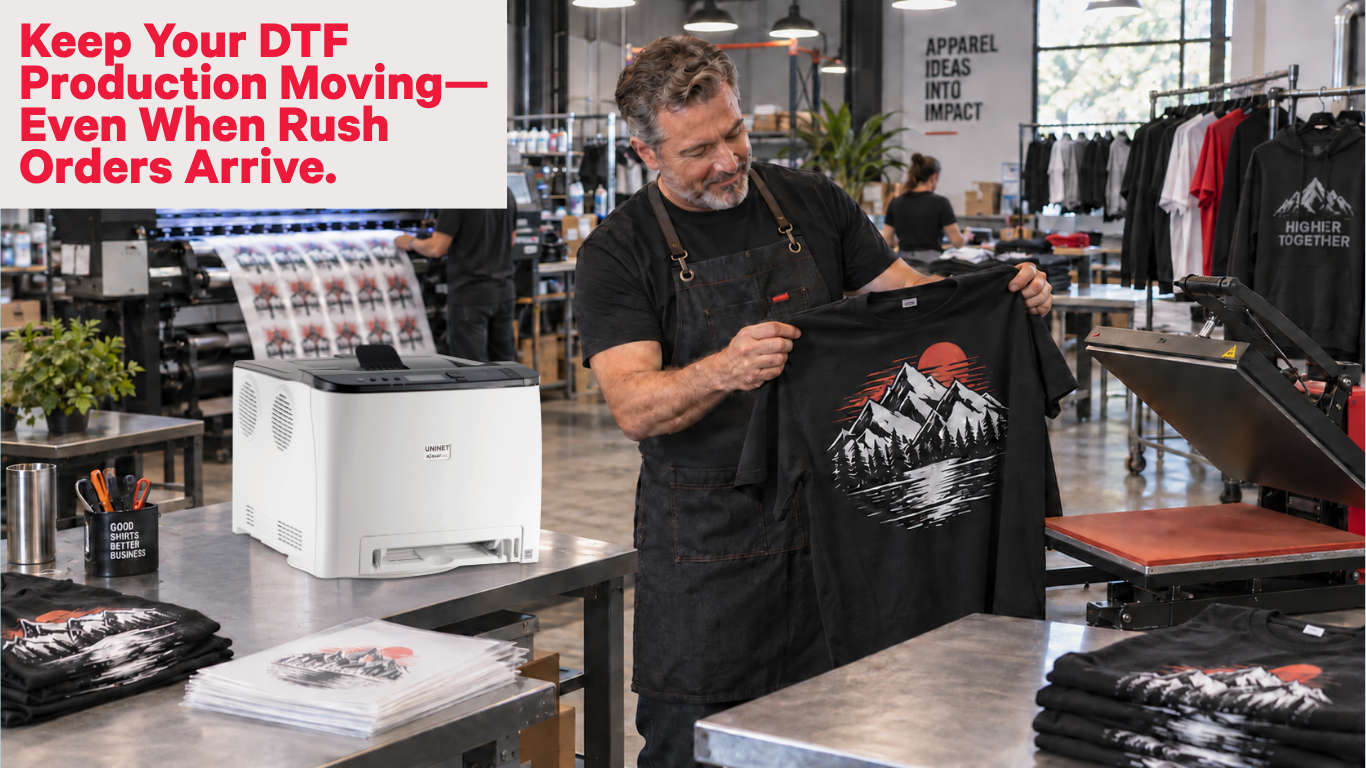
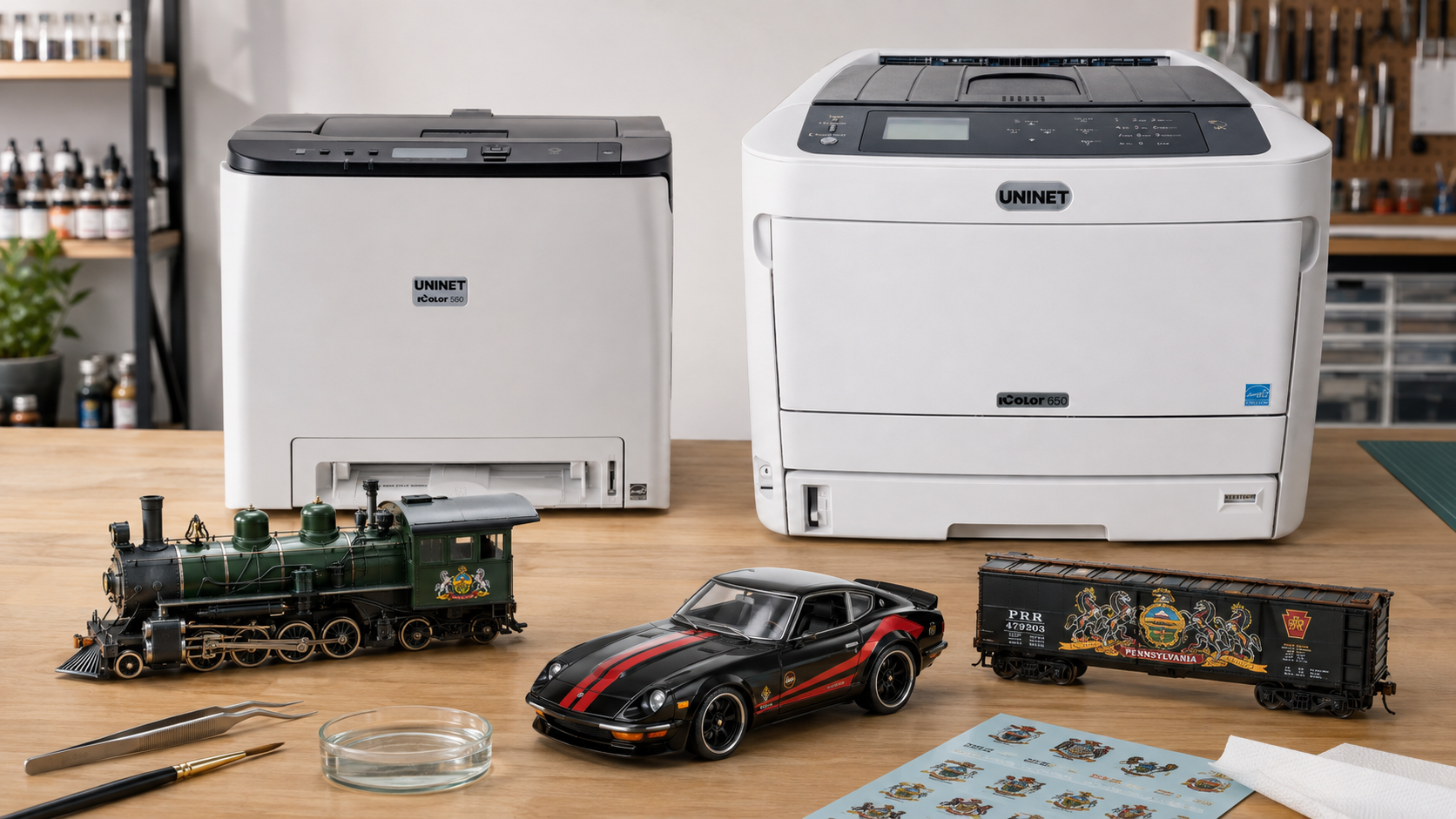
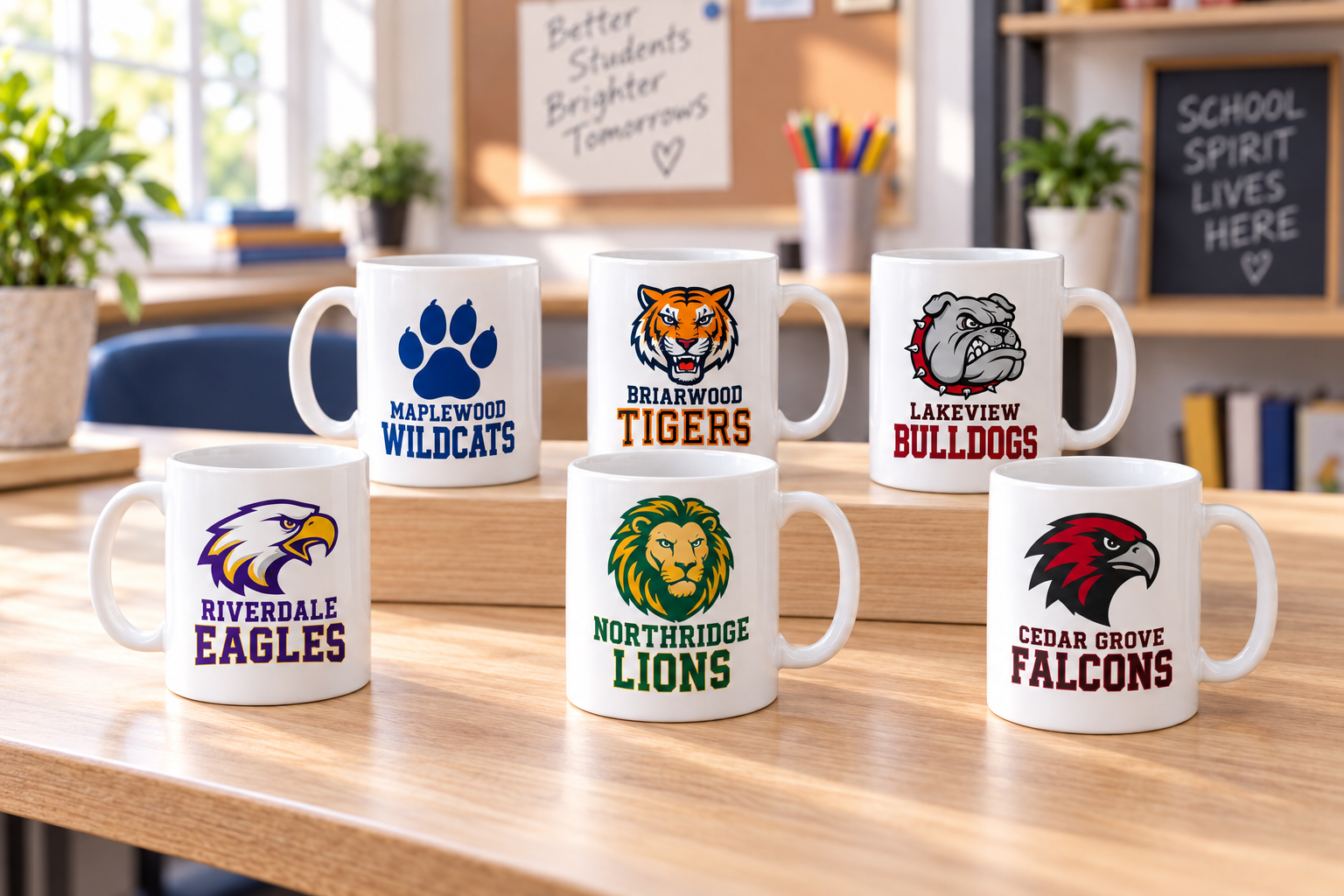
Match the machine to the building rather than to a wish list. A compact all-in-one unit that handles both white toner DTF and sublimation output, such as the IColor 560 and 650 series, suits a school that wants garment printing plus mugs and tumblers in a small footprint. A school printing larger quantities of apparel may prefer a wider-format model from the IColor line, which covers a range of white toner transfer printers built around different volumes and media widths.
Ask three questions before buying. What is the widest image the school needs for banners and signage? How many shirts arrive in the busiest single week? And who will physically run the machine when the current teacher or volunteer moves on? The answers usually narrow the field quickly, and any of these printers will still deliver the low-maintenance, wide-material performance that made white toner the right category in the first place.
Frequently Asked Questions
Is a white toner printer the same as a DTF printer?
They overlap but are not identical. A white toner printer uses dry powdered toner deposited on a light-sensitive drum, then transfers the image from media with a heat press. A dedicated DTF printer uses liquid ink plus adhesive powder and film. Some machines, including the UNINET IColor WT series, are marketed as white toner DTF printers that bridge both approaches.
What is white toner printing?
White toner printing uses a laser-style printer loaded with white toner to produce an image on transfer media, which is then applied to a substrate with heat and pressure. Because the toner is dry rather than liquid ink, the process avoids print head clogs and does not require daily printing to stay in working condition.
Do white toner printers need daily use to avoid clogs?
No. Manufacturer material on white toner transfer printers describes them as requiring no clogs and no daily use, and Crio markets its white toner printers as decorating almost any substrate with no maintenance. That makes them suitable for school programs that print intensely for a few weeks and then sit idle for long stretches.
Can a white toner printer print on items other than shirts?
Yes. White toner transfer printers can transfer to virtually any fabric or material, including cotton, polyester, blends, denim, nylon, metal, glass, and acrylic. In a school setting that range also covers wood, ceramic, temporary tattoos, banners, and magnets, so one machine can support athletics, fundraising, front office signage, and classroom projects.